
DFV Scorecard Template for Business Model Canvas
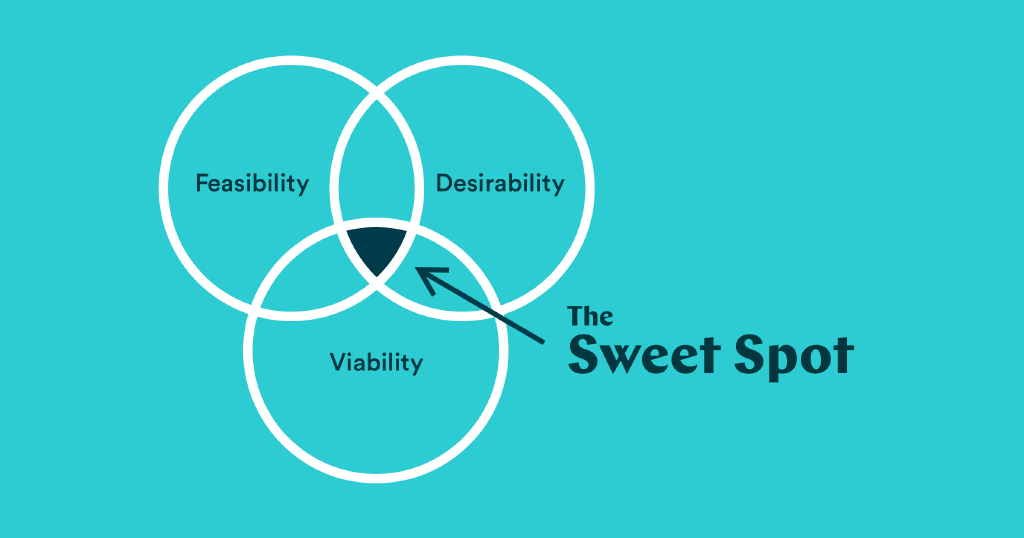
Teams often sketch a Business Model Canvas (BMC) and separately run DFV reviews. DFV.XYZ™ merges the two with a DFV scorecard template that sits on top of the canvas. Each block gets scored for Desirability, Feasibility, and Viability so product, design, and finance teams share one view.
How DFV maps to the nine blocks
- Desirability: customer segments, value propositions, channels, and relationships.
- Feasibility: key resources, key activities, and key partnerships.
- Viability: revenue streams, cost structure, and strategic fit across the whole canvas.
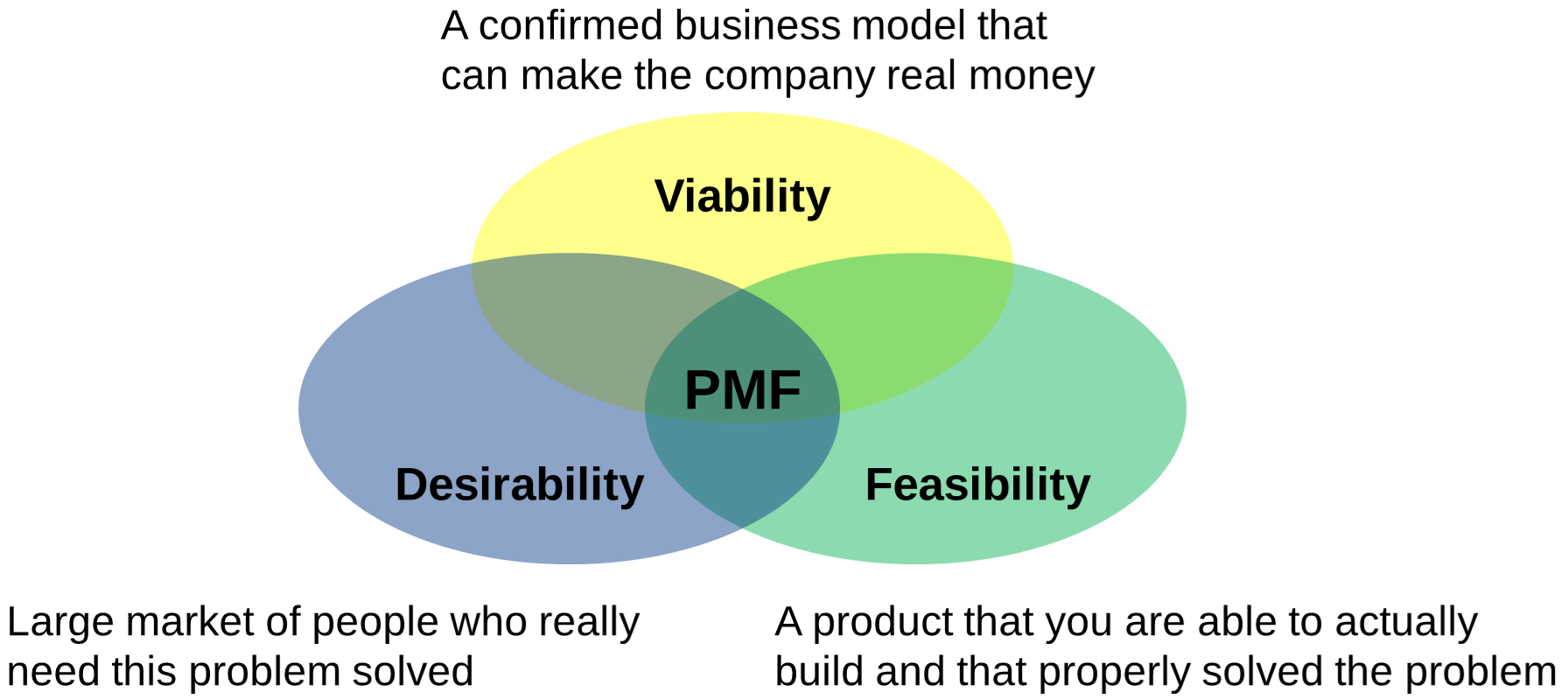
The DFV scorecard asks whether each block is desirable, feasible, and viable. Weak scores show where to run DFV experiments next.
Scoring desirability on the canvas
Use DFV Design Prompts to describe segments in terms of jobs, pains, and gains. Score desirability based on:
- Evidence for each value proposition per segment.
- Channel tests that prove how people discover and adopt.
- Relationship models that match expectations for onboarding and support.
Desirability experiments map directly to canvas cells: landing page tests, interviews, and prototype trials for specific segments and channels.
Scoring feasibility on the canvas
Feasibility sits in the operational backbone of the canvas:
- Key resources: data, talent, infrastructure, IP.
- Key activities: build, operate, sell, and support.
- Key partnerships: suppliers, platforms, and compliance allies.
DFV LLM Prompts generate resource lists, capability maps, and partner options. Score feasibility by how confident you are that the team can deliver each block at the promised quality.
Scoring viability on the canvas
Viability ties the whole model together:
- Revenue streams: what you charge, how, and to whom.
- Cost structure: fixed and variable costs linked to resources and activities.
- Strategic fit: how the product fits the brand and portfolio.
DFV AI Prompts can model scenarios for margin, CAC vs LTV, and regulation shifts. Score viability based on actual data rather than optimistic slides.
Using the DFV scorecard template
DFV.XYZ™ uses this template in three steps:
- Fill the canvas, then mark each block with DFV scores (green, yellow, red).
- List the riskiest blocks and assign DFV experiments to raise their scores.
- Re-score after each experiment and update the portfolio view.
Because the template is repeatable, the team can show progress to leadership, investors, and potential buyers of DFV.XYZ™. The scorecard is a living artifact, not a one-time workshop deliverable.
How to set up the template
- Start with a fresh BMC for the product or initiative.
- Add three columns per block labeled desirability, feasibility, and viability.
- Define scoring rules (for example, 1 weak, 2 moderate, 3 strong) and what evidence qualifies.
- Link each low score to a DFV experiment in the backlog.
Keep the scoring sheet in the same workspace as your roadmap so engineers, designers, and operators can see how their work moves the canvas.
Example scoring snapshot
- Value propositions: desirability 2 (needs more proof), feasibility 3, viability 2.
- Channels: desirability 1 (no tests yet), feasibility 2, viability 2.
- Key resources: desirability 3, feasibility 2 (new hires needed), viability 2.
- Revenue streams: desirability 2, feasibility 2, viability 1 (pricing not tested).
This snapshot tells the team to focus on channel desirability tests and revenue viability experiments before scaling. The DFV scorecard template makes those priorities explicit.
Reporting cadence
- Weekly: update scores for blocks that changed and log new evidence links.
- Monthly: review the full canvas, adjust scoring rules, and archive snapshots for trend analysis.
- Quarterly: share the DFV scorecard in exec and board reviews alongside financials.
DFV.XYZ™ treats the scorecard as a shared truth. It keeps DFV in the conversation and shows that the neon brand is backed by disciplined product thinking.
Next steps
- Set up the DFV scorecard in your canvas tool this week.
- Pick three blocks with low scores and design DFV experiments for them.
- Share the first snapshot with your team and start tracking improvements.
Why it matters for DFV.XYZ™
DFV.XYZ™ is a domain and a DFV operating system that is available for acquisition. The DFV scorecard template is part of that operating system. It proves that DFV can live inside existing planning tools without extra complexity. If you want a neon DFV brand plus a ready-made scorecard to pressure test your canvas, DFV.XYZ™ is ready.
Related posts
View all