
DFV Roadmap Radar Inside Design Thinking
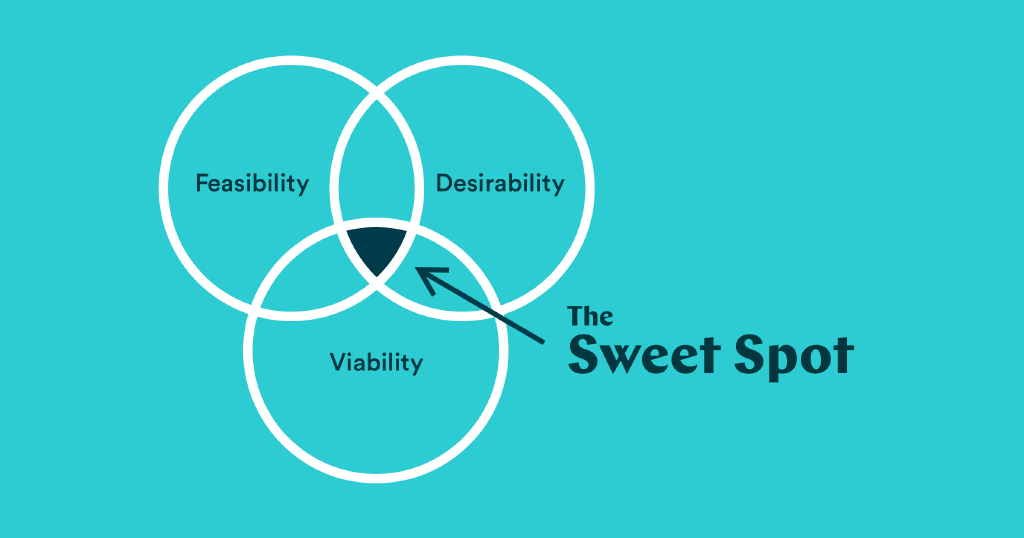
Design thinking gives teams stages to follow: empathize, define, ideate, prototype, test. DFV.XYZ™ adds a roadmap radar on top of those stages so Desirability, Feasibility, and Viability (DFV) stay visible from the first sketch through launch.
Desirability during empathize and define
During empathize and define, desirability is the main lens:
- Explore user needs, contexts, and emotions with interviews and observation.
- Frame problems in human terms instead of features.
- Use DFV Design Prompts to create guides, personas, and journey maps.
The roadmap radar marks desirability items so teams can see if the top of the funnel is healthy.
Feasibility during ideate and prototype
As you ideate and prototype, feasibility becomes critical:
- Consider what is technically and operationally plausible.
- Design prototypes that test both experience and implementation ideas.
- Use DFV AI Prompts to generate options, simulate complexity, and outline acceptance criteria.
Feasibility tags on the roadmap radar make sure design thinking sessions do not drift into ideas that cannot be built.
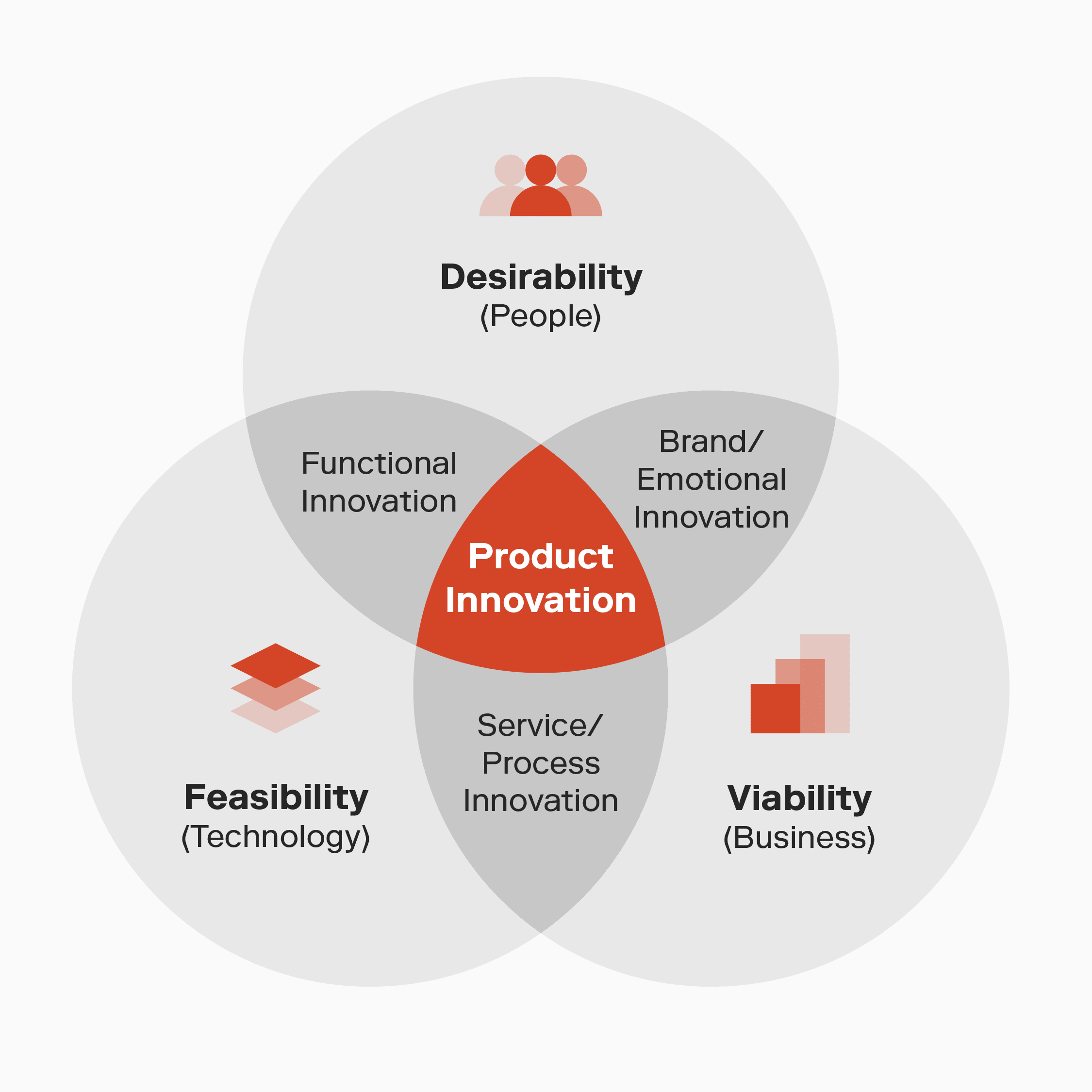
Viability during test and beyond
When you test, viability adds the third dimension:
- Look for signals about adoption, behavior change, and willingness to pay.
- Link reactions to business impact, not just usability.
- Use DFV LLM Prompts to design surveys that probe value and pricing.
Viability items on the radar show whether the roadmap supports the business, not just the experience.
Operating the DFV roadmap radar
DFV.XYZ™ runs the radar as a ritual:
- Every roadmap item is tagged with one primary DFV lens and one secondary.
- Weekly reviews ensure there is balance across desirability, feasibility, and viability.
- New insights from research, builds, or tests update the radar so priorities shift with evidence.
The radar is a single view that combines design thinking progress with DFV balance. It keeps teams honest and stops DFV from becoming a forgotten checklist.
How to build the radar
- Columns: design thinking stages across the top (empathize, define, ideate, prototype, test).
- Rows: DFV lenses plus cross-lens items like platform risk or compliance.
- Cards: roadmap items tagged with lens, owner, and next experiment.
- Signals: metrics per lens that change card priority (activation, MTTR, margin).
Use a lightweight board so updates are fast. The radar should live in the same tool as daily work, not a static slide.
What to watch each week
- Desirability balance: do we have enough discovery and prototype work compared to build tasks?
- Feasibility health: are platform debts and reliability work keeping pace with new features?
- Viability momentum: are we testing pricing and channel assumptions often enough?
- Cross-lens tension: which items improve one lens but hurt another?
Capture these notes in the radar so trends are visible over time.
Pitfalls to avoid
- Treating the radar as reporting only. It should drive decisions, not just status.
- Letting one lens dominate because it is comfortable. The tags make imbalance obvious; act on it.
- Ignoring viability until the end of a project. Keep pricing and cost experiments in the flow.
- Forgetting reduced-mobility or accessibility needs in desirability and feasibility checks.
DFV.XYZ™ teams review these pitfalls at the start of each quarter to reset habits.
Artifacts to share with stakeholders
- A monthly snapshot of the radar with notes on why items moved.
- A DFV-balanced forecast that shows how many items per lens will ship next quarter.
- Links to DFV experiment summaries tied to roadmap items.
- A short explainer on how the DFV radar works so new stakeholders can read it quickly.
Sharing these artifacts keeps alignment high and reduces meeting time. Stakeholders see the DFV balance without asking for custom reports.
Quick actions
- Tag every roadmap item with a DFV lens before the next planning meeting.
- Add the radar snapshot to your weekly status notes.
- Invite one stakeholder from each function to comment on the radar so balance stays honest.
Ready for DFV.XYZ™ buyers
DFV.XYZ™ is available for acquisition, and the roadmap radar approach is part of the asset. Buyers get the domain, the DFV content library, and a way to keep design thinking grounded in Desirability | Feasibility | Viability. Use it to run a neon-clear roadmap that balances #DFV on every release.
Related posts
View all- DeepFuckingValue DFV Reddit Gamestop Meme When most of DFV.XYZ™ talks about DFV, we mean Desirability, Feasibility, Viability. But #DFV has another origin: the handle …
- DFV and PMF Proof for Founders Founders are bombarded with advice: talk to customers, ship fast, chase revenue, raise capital, use AI. DFV.XYZ™ cuts through that noise by …
- DFV Governance Checklist for Physical-Digital Products Physical-digital systems mix hardware, software, and services. They are exciting and failure-prone. DFV.XYZ™ uses a DFV governance checklist …
- DFV Scorecard Template for Business Model Canvas Teams often sketch a Business Model Canvas (BMC) and separately run DFV reviews. DFV.XYZ™ merges the two with a DFV scorecard template that …
- DFV Experiment Funnel for Product Teams The biggest risk in product building is discovering a fatal flaw after months of work. DFV.XYZ™ pairs Desirability, Feasibility, Viability …